You Won’t Believe These Antalya Art Space Mistakes Everyone Makes
Antalya isn’t just sun, sand, and ancient ruins—its art scene is quietly exploding. But here’s the thing: most travelers completely miss it, or worse, waste time on flashy spots with no soul. I went searching for authentic creativity and stumbled into traps I never saw coming. From overhyped galleries to hidden studios worth every twist in the road, this is the real talk you need before exploring Antalya’s art spaces. What I discovered wasn’t just paint on canvas—it was stories, heritage, and a growing community of artists shaping a new chapter for this coastal gem. This guide will help you avoid the most common mistakes and connect with the living, breathing culture that lies beneath the tourist surface.
The Allure of Antalya’s Art Scene
For decades, Antalya has drawn visitors with its sun-kissed beaches, turquoise waters, and well-preserved Roman ruins. Yet in recent years, a quieter but equally powerful transformation has been unfolding behind the scenes. The city’s cultural heartbeat is expanding beyond ancient stone and seaside resorts, pulsing now through galleries, artist studios, and community-led creative spaces. This shift reflects a broader movement across Turkey, where younger generations of artists are reclaiming traditional motifs, experimenting with modern forms, and building platforms for authentic expression.
What makes Antalya’s art scene particularly compelling is its rootedness in place. The colors of the Mediterranean, the textures of old Ottoman architecture, and the rhythms of daily life in neighborhoods like Kaleiçi and Karatay all feed into the work being created. Local artists draw inspiration from Anatolian folklore, regional textiles, and the layered history of a city that has hosted Greeks, Romans, Byzantines, and Ottomans. Today, this rich tapestry is being reinterpreted through contemporary lenses—painting, sculpture, ceramics, and mixed media—offering travelers a chance to engage with Turkey’s culture in a deeply personal way.
Art spaces are no longer niche destinations. They’re becoming essential stops on thoughtful itineraries, especially for travelers seeking more than photo ops and souvenir shopping. Museums like the Antalya Ethnographic Museum provide historical context, but it’s in independent galleries and pop-up exhibitions where you witness culture in motion. These venues host emerging voices, foster creative dialogue, and often double as cultural meeting points where locals and visitors exchange ideas. As Antalya continues to evolve, its art spaces offer a window into its present—and its future.
Pitfall #1: Chasing the Wrong Kind of “Art”
One of the most common missteps visitors make is mistaking mass-produced souvenirs for genuine artistic expression. Along the marina and near major tourist attractions, countless shops display items labeled as “handmade” or “local art,” from painted tiles to embroidered textiles. While some of these goods are charming, many are imported in bulk from industrial workshops and sold with little connection to the artists or traditions they claim to represent. The result is a diluted version of culture—art in appearance only, lacking soul and story.
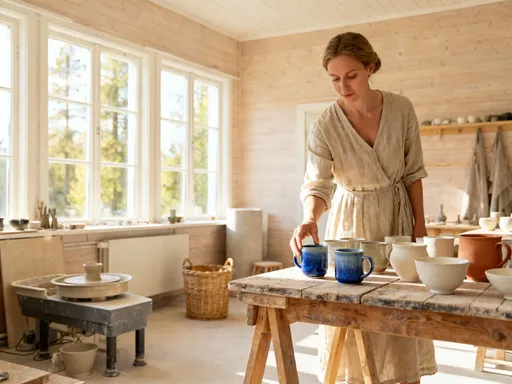
Authentic local art differs in both intention and execution. True craftsmanship involves time, skill, and personal vision. A hand-thrown ceramic bowl from a local potter carries the fingerprint of its maker, the influence of regional clay, and a design that may echo centuries-old patterns. In contrast, a machine-made trinket with a painted motif of a Anatolian sun symbol offers visual appeal but little depth. The danger lies in equating the two, leading travelers to believe they’ve engaged with local culture when they’ve only participated in commercial tourism.
Overhyped galleries near the cruise port often contribute to this confusion. These spaces may feature glossy interiors and English signage, but their collections frequently consist of generic landscapes or abstract pieces designed to appeal to international tastes rather than reflect local narratives. Some rotate inventory seasonally, sourcing works from centralized suppliers rather than individual artists. While not fraudulent, these venues prioritize profit over authenticity, offering a sanitized version of creativity that tells no real story.
To avoid this pitfall, ask simple but revealing questions: Who made this? Where are they based? Is this part of a larger body of work? Galleries that support real artists will proudly share biographies, host artist talks, or display certificates of authenticity. When in doubt, trust your instincts—if everything looks identical to what you’ve seen in other tourist towns, it probably is.
Pitfall #2: Overlooking Where the Real Artists Work
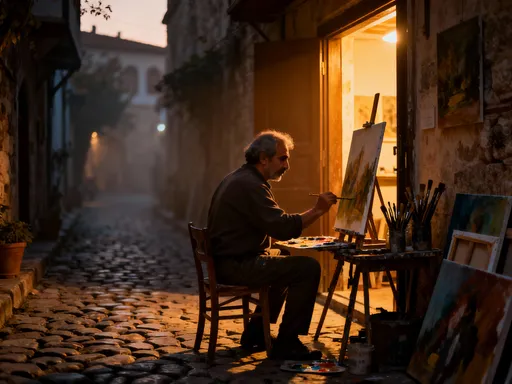
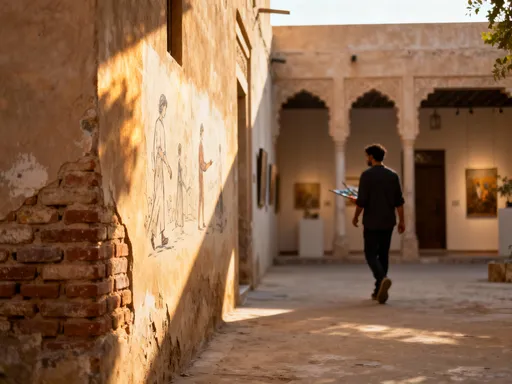
The most vibrant art in Antalya isn’t found in polished storefronts along the waterfront—it’s tucked into narrow alleys of Kaleiçi, above quiet bookshops in Muratpaşa, or in converted warehouses on the city’s outskirts. These are the working studios where artists experiment, teach workshops, and invite curious visitors to witness the creative process. Yet many travelers never see them, sticking instead to the well-lit, heavily advertised zones where originality is often in short supply.
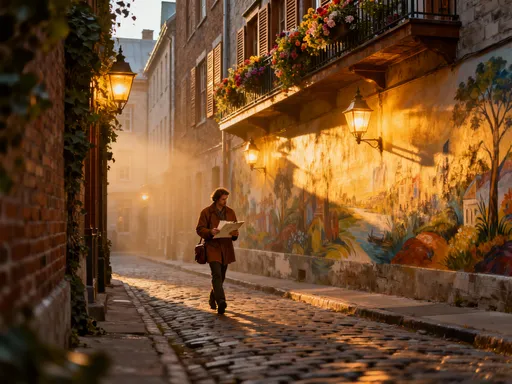
Kaleiçi, the historic old town, is a prime example of hidden creative energy. Beyond the restored Ottoman houses and souvenir-lined streets, a network of small ateliers thrives. Some are run by painters who blend Byzantine iconography with modern abstraction; others by ceramicists reviving ancient glazing techniques. These spaces are rarely marked with flashy signs. Instead, they might have a modest plaque, an open door revealing a kiln inside, or a hand-painted sign in Turkish. Their locations require intentionality to find—exactly what makes them rewarding to visit.
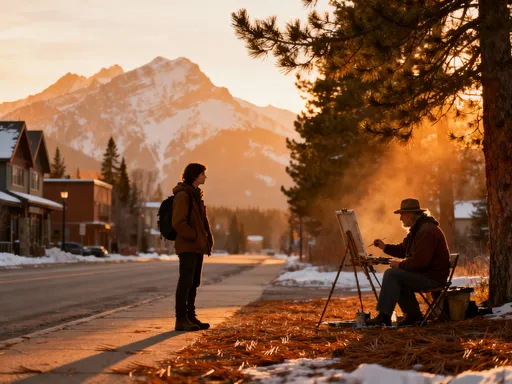
Similarly, neighborhoods like Kepez and Yeni Mahalle are emerging as informal art districts, where younger artists have established shared studios due to lower rents and larger workspaces. These areas lack the postcard charm of the old city but offer something more valuable: access to the creative process in its rawest form. You might stumble upon a muralist sketching a new design, a textile artist demonstrating natural dyeing methods, or a sculptor shaping stone in an open-air workshop. These encounters are unpredictable but deeply memorable.
The contrast between the marina’s commercial galleries and these grassroots studios couldn’t be starker. While one offers convenience and familiarity, the other provides connection and discovery. Venturing beyond the tourist core doesn’t require special skills—just a willingness to wander, observe, and say hello. Often, a simple smile and a phrase like “Galeri var mı?” (Do you have a gallery?) can open a door to something extraordinary.
Pitfall #3: Relying Only on Online Listings
In an age of instant information, it’s natural to turn to Google, TripAdvisor, or Instagram before visiting a new city. But when it comes to Antalya’s art spaces, online resources can be misleading. Many of the top-ranked galleries on search engines are those that invest in digital marketing, not necessarily those with the most compelling work. Outdated websites may list exhibitions that ended months ago, while inflated review counts can create the illusion of popularity where little exists.
More importantly, some of the most interesting creative spaces in Antalya don’t appear online at all. Independent artists, especially those working outside commercial circuits, often lack the time, resources, or interest in maintaining websites or social media accounts. Their presence is felt locally—in community centers, cultural associations, or word-of-mouth networks. A sculptor in a hillside village might welcome visitors by appointment only, informed through a neighbor or café owner. A women’s cooperative selling handwoven textiles may operate out of a home studio with no digital footprint.
This absence from the digital sphere doesn’t diminish their value—in fact, it often enhances it. These spaces thrive on personal connection rather than algorithmic visibility. To find them, shift your approach: talk to bookstore owners, café staff, or librarians. Bulletin boards in independent coffee shops often feature handwritten notices about upcoming exhibitions, open studio days, or artist markets. Local universities, particularly fine arts departments, may host public events or student showcases not widely advertised online.
Another effective strategy is to visit cultural centers like the Antalya Sanat Merkezi (Antalya Art Center), which often serve as hubs for grassroots activity. Even if you don’t attend a formal event, staff members are usually knowledgeable about off-grid artists and can point you in the right direction. The goal isn’t to eliminate online research but to balance it with on-the-ground exploration. Let digital tools guide your starting point, but allow serendipity and local insight to shape your journey.
Pitfall #4: Ignoring the Cultural Context
Art is never created in a vacuum, and Turkish art is especially rich with cultural, historical, and regional meaning. To appreciate it fully, one must look beyond aesthetics and consider the stories behind the work. A painting of a lone tree on a hillside might evoke personal loss tied to rural migration. A textile pattern could encode symbols of protection passed down through generations. Without context, these layers remain invisible, reducing powerful expressions to mere decoration.
One of the quietest but most significant mistakes travelers make is treating art as a visual accessory to their itinerary. They snap photos, admire the colors, and move on—missing the opportunity to understand what the artist is communicating. This is especially true when encountering works that incorporate calligraphy, religious motifs, or folk traditions. These elements are not merely ornamental; they carry spiritual, social, or historical weight that deserves respectful engagement.
To bridge this gap, take time to read artist statements when available. Many galleries provide short descriptions in Turkish and English, explaining the inspiration behind a piece or series. When no text is present, don’t hesitate to ask—most artists welcome genuine curiosity. A simple “What does this symbol mean?” or “What inspired this piece?” can lead to meaningful conversations. If language is a barrier, gestures, drawings, or translation apps can still facilitate connection.
Attending open studio events or exhibition openings is another powerful way to engage with context. These gatherings often include live music, poetry readings, or artist talks, creating a fuller cultural experience. They also allow you to witness how art functions within the local community—not as a commodity, but as a form of dialogue and identity. By participating respectfully, you honor the work on its own terms and contribute to a more thoughtful form of tourism.
How to Experience Antalya’s Art Spaces the Right Way
Experiencing Antalya’s art scene authentically begins with timing and intention. One of the best ways to immerse yourself is to plan your visit around recurring cultural events. The First Friday Art Walk, held monthly in various neighborhoods, brings together artists, galleries, and visitors for an evening of open studios, live demonstrations, and informal tours. These events are well attended by locals, creating a warm, inclusive atmosphere where newcomers are welcomed.
Equally rewarding is combining art exploration with neighborhood discovery. Start your day at a quiet café in Kaleiçi, where you might notice original artwork on the walls for sale. Strike up a conversation with the owner—they may be an artist themselves or know someone nearby who is. From there, wander through side streets, keeping an eye out for open doors, displayed sculptures, or hand-painted signs. Pair your art hunt with visits to independent bookshops, craft stores, or historic mosques, allowing your journey to unfold organically.
Street art also plays an increasingly visible role in Antalya’s creative landscape. Murals depicting local legends, environmental themes, or abstract designs can be found in unexpected corners, often created through community projects or youth initiatives. While not always signed, these works contribute to the city’s evolving visual language. Carry a small notebook or use your phone to document pieces that move you, not just for memory but to support artists later by sharing their work (with credit) on social media.
Most importantly, support artists directly when possible. Purchase from studios rather than souvenir shops, inquire about limited-edition prints or handmade ceramics, and consider attending auctions or charity exhibitions that benefit local cultural programs. Cooperatives, such as women’s weaving collectives or artisan guilds, offer ethically made products and ensure income stays within the community. Even if you don’t buy anything, leaving a kind note, sharing a photo, or recommending a space to another traveler makes a difference.
Why This Matters: Art as a Gateway to Deeper Travel
Choosing to explore Antalya’s art spaces thoughtfully is about more than seeing beautiful things—it’s about shifting how we travel. In a world of checklist tourism, where landmarks are rushed through and photos are curated for likes, engaging with art invites slowness, presence, and connection. It transforms us from passive observers into active participants in a living culture.
When you stand in a small studio, listening to an artist describe how her grandmother’s embroidery patterns influence her paintings, you’re not just learning about art—you’re touching history, resilience, and identity. You’re supporting a person, a family, a community. Every purchase, conversation, or moment of appreciation strengthens the ecosystem that allows creativity to flourish. And in return, you carry home something far more valuable than a souvenir: a story, a memory, a deeper understanding of a place and its people.
Antalya’s soul isn’t confined to its ancient walls or scenic coastlines. It’s being shaped every day—in the stroke of a brush, the turn of a pottery wheel, the quiet determination of artists preserving and reimagining their heritage. To witness this is to see the city not as a static destination, but as a living, breathing entity in motion. The next time you visit, don’t just follow the crowds. Seek out the studios, ask the questions, and let art guide you to the heart of what makes Antalya truly unforgettable.