This Is What Happens When You Let Jasper’s Art and Soul Slow You Down
You know that rush of scrolling through photos of mountain towns, wishing you could just *breathe* for once? I went to Jasper not to check boxes, but to feel—really feel—the pulse of the wild through art, stories, and quiet moments. No frantic hikes, no crowded viewpoints. Just me, local voices, canvas-covered cabins, and music echoing under starlight. What I found wasn’t just scenery—it was a living culture, hidden in plain sight. Slow travel here isn’t a trend. It’s the only way.
Why Jasper Calls for Slow Travel
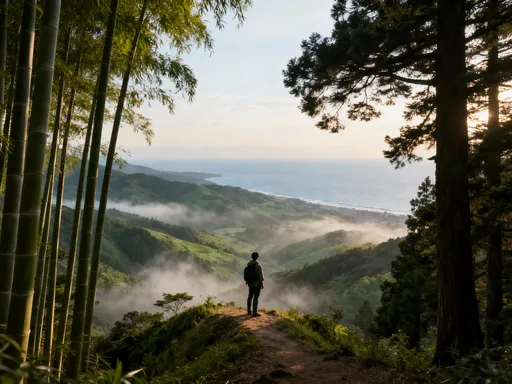
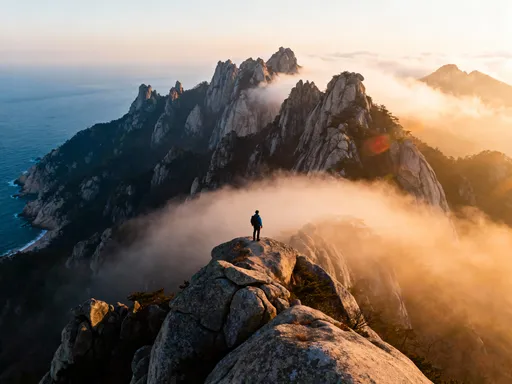
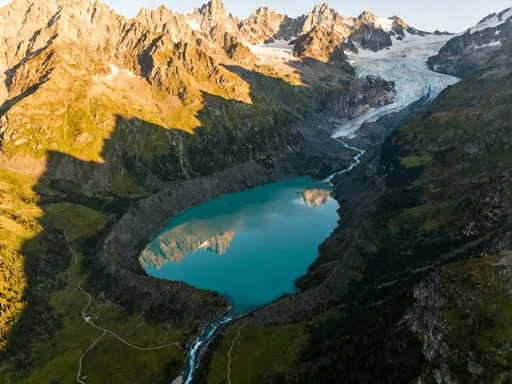
Jasper National Park, nestled deep within the Canadian Rockies, spans over 11,000 square kilometers of untamed wilderness. Its vastness is not just measured in geography, but in silence—long stretches of pine-scented air, the soft crunch of gravel underfoot, and the occasional echo of an elk’s call drifting across the valley at dawn. This is not a destination designed for speed. The very landscape resists it. Roads wind deliberately, switchbacking through steep canyons and alpine meadows, as if urging drivers to lower their gaze from the GPS to the glow of sunrise on limestone cliffs.
Visitors who arrive with packed itineraries often find themselves recalibrating. The mountains do not perform on schedule. Wildlife sightings cannot be guaranteed at 10:15 a.m. beside a roadside pullout. Instead, Jasper rewards patience. It asks you to sit. To breathe. To notice how the light changes on the peaks between morning and dusk, how the Athabasca River carries glacial silt like powdered jade, how a single raven circling overhead can command more attention than any checklist of landmarks.
Psychologically, this shift is profound. Studies on restorative environments suggest that natural settings with low sensory overload—such as forests, rivers, and open skies—help reduce mental fatigue and improve emotional regulation. Jasper offers this in abundance. There is no rush here because the rhythm of life follows the land, not the clock. When travelers surrender their need for efficiency, they open space for something deeper: presence. And presence, more than any photograph or souvenir, becomes the true artifact of the journey.
The Art of Place: How Nature Shapes Local Creativity
In Jasper, art does not imitate nature—it emerges from it. The towering peaks, ancient glaciers, and dense boreal forests are not just backdrops; they are active collaborators in the creative process. Local galleries and artist studios reflect this deep dialogue between hand and habitat. Paintings capture the fleeting alpenglow on Maligne Lake, while sculptures echo the jagged lines of the surrounding ridgelines. Even the textures tell a story: rough-hewn wood from fallen lodgepole pines, river-smoothed stones embedded in resin, and reclaimed rail ties from the historic Canadian National Railway repurposed into sculptural frames.
Several artist collectives operate within the town, often working in shared spaces where the public can observe the creative process. These are not commercial storefronts churning out mass-produced souvenirs, but working studios where artists speak of their craft as a response to living in such a powerful environment. One painter described how the clarity of mountain light alters color perception—how blues deepen at twilight and snowfields reflect unexpected purples. Another sculptor spoke of carving stone not as an act of domination, but of listening—feeling for the natural fractures and grain, allowing the material to guide the form.
Public art installations further weave creativity into daily life. Along the Jasper Discovery Trail, interpretive panels blend geological facts with artistic renderings of glacial movement. Metal silhouettes of migrating animals line walking paths, their shapes simplified yet evocative. These pieces do not shout for attention; they invite pause. They ask the viewer to consider not just what they see, but how they see it. In this way, art becomes a lens—one that sharpens awareness of the natural world and the human impulse to make meaning from it.
Cultural Threads: Indigenous Stories and Mountain Heritage
Beneath the towering peaks of the Rockies lies a cultural history far older than any modern settlement. The lands surrounding Jasper have long been part of the traditional territories of several Indigenous peoples, including the Stó:lō and Secwépemc Nations, whose ancestral connections to the region span thousands of years. While the town of Jasper itself was established in the early 20th century as a railway stop, the human story here begins much earlier—with seasonal migrations, spiritual practices tied to the land, and oral traditions passed down through generations.
Today, these living cultures are honored through thoughtful programming and collaboration. Interpretive centers in and around Jasper offer exhibits that go beyond static displays, incorporating audio recordings of elders, translated place names, and seasonal calendars based on traditional ecological knowledge. Visitors learn that certain valleys were once gathering sites for medicinal plants, that specific rock formations held ceremonial significance, and that animal migrations were tracked not by GPS, but by generations of observation.
Storytelling remains a central practice. During summer months, cultural events hosted in partnership with local Indigenous communities feature guided walks where participants hear legends connected to the landscape—stories of transformation, respect for animals, and the balance between humans and nature. These are not performances for entertainment, but acts of cultural sharing, rooted in authenticity and respect. Totemic symbols appear in carvings and textiles, not as decorative motifs, but as representations of lineage, clan identity, and spiritual belief.
Importantly, this heritage is not frozen in the past. Contemporary Indigenous artists in the region blend traditional techniques with modern mediums, creating works that speak to both continuity and change. Collaborative murals, often painted in partnership with non-Indigenous artists, reflect shared stewardship of the land. The message is clear: culture here is not a relic to be observed, but a living thread woven into the present.
Hidden Studios and Unexpected Performances
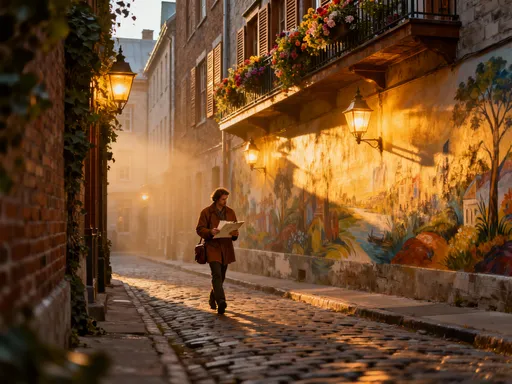
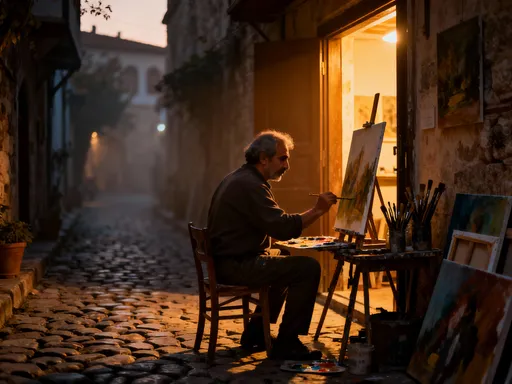
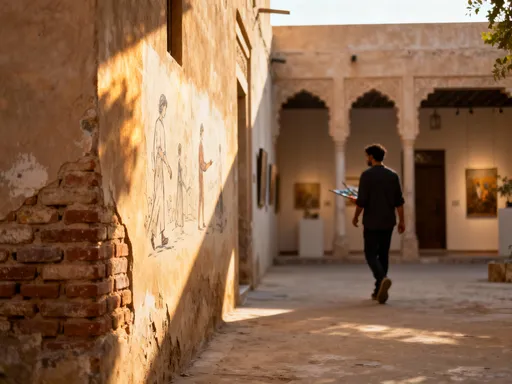
Some of Jasper’s most memorable artistic moments happen off the main street, away from brochures and billboards. Turn down a narrow alley behind the post office, and you might find a mural in progress—a local artist blending shades of evergreen and twilight blue onto a weathered brick wall. At dusk, near the edge of town, a violinist sometimes plays on the pedestrian bridge overlooking the Athabasca River, the notes floating above the water like mist. These are not scheduled performances with tickets or announcements. They are spontaneous expressions of place, appearing and disappearing like mountain weather.
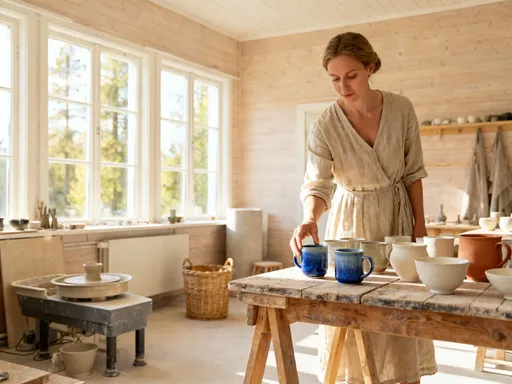
Wandering without a plan increases the chances of such encounters. A blacksmith’s forge near the railway station glows with orange light as iron is shaped into rail-inspired sculptures. In a sunlit window of a small shop, a potter works a wheel, shaping clay gathered from nearby riverbeds. These are not staged demonstrations for tourists, but real practices embedded in daily life. The artists are not performing; they are working. And yet, their labor becomes a kind of public art—one that invites quiet observation rather than applause.
Cafés double as intimate performance spaces. On weekend evenings, poets read original work in hushed tones while listeners sip locally roasted coffee. The atmosphere is unpretentious, the audience small but attentive. There are no spotlights, no microphones—just voices sharing reflections on snowfall, solitude, and the quiet courage of living in a remote place. These moments thrive because of slowness. They require time, stillness, and a willingness to be surprised. They remind us that culture is not always found in grand theaters or museums, but in the spaces between—where creativity flows as naturally as the river.
Slow Rhythms: Daily Life and Creative Encounters
Life in Jasper moves at a different tempo. Mornings begin quietly, with steam rising from mugs at the corner diner, where locals greet each other by name. Shopkeepers remember your coffee order by the second day. Children walk to school along paths bordered by wildflowers. There is no urgency, no pressure to be anywhere fast. This unhurried rhythm creates space for connection—not just with the landscape, but with the people who call it home.
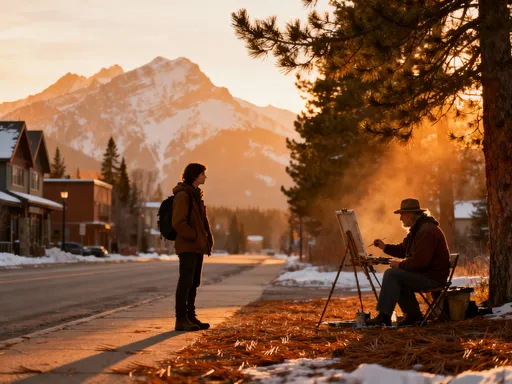
When travelers slow down, they become part of this rhythm. Sitting by the river with a sketchbook, you might strike up a conversation with an elderly resident who shares stories of winters past—how the snow piled so high it buried door handles, how families gathered around wood stoves to play music and mend gear. A gallery owner, noticing your interest in a particular painting, might invite you behind the counter to meet the artist, now sipping tea in the back room. These are not curated experiences; they are genuine exchanges born of time and openness.
Such micro-moments accumulate into a deeper understanding of place. They reveal the values of the community—resilience, resourcefulness, reverence for nature. They show how art and life are not separate spheres, but intertwined. A carpenter who builds cabins also carves bear figures in his spare time. A park ranger who monitors wildlife writes poetry in her journal. These dualities are common, not exceptional. And they suggest that creativity here is not a profession, but a way of being.
For the visitor, this intimacy transforms the journey. It shifts the focus from seeing to sensing, from collecting sights to cultivating relationships. It turns a trip into a memory that lingers, not because of what was photographed, but because of what was shared.
Practical Magic: Planning a Culturally Rich, Unrushed Visit
To experience Jasper in this way requires intention. First, allow time. A day or two is not enough. Plan for at least four to five nights to settle into the rhythm of the town. Rushing through is like skimming a novel’s last page and claiming to know the story. Staying longer allows the layers to unfold—the morning fog lifting off the lake, the evening chorus of frogs, the gradual recognition of familiar faces around town.
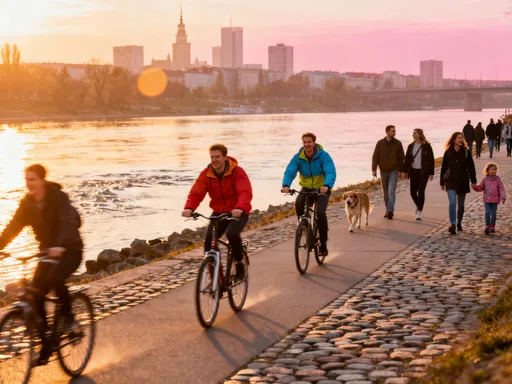
Choose accommodations within walking distance of the town center. This reduces reliance on cars and encourages exploration on foot or by bike. Renting a bicycle is an excellent way to move through the landscape at a human pace, feeling the breeze and hearing the rustle of leaves. Many local trails connect neighborhoods, parks, and viewpoints, offering a more immersive alternative to driving.
Visit galleries and cultural centers during off-peak hours—early morning or late afternoon. You’ll find more time to engage with staff, ask questions, and absorb the work without crowds. Attend small-scale events at the community hall or library, where local musicians, writers, and artisans often gather. These gatherings are not marketed heavily, but they are rich in authenticity.
Eat at locally owned restaurants and diners, where chefs highlight regional ingredients—bison, wild mushrooms, huckleberries, and freshwater fish. These meals are not just nourishing; they are narratives on a plate, telling the story of the land and its seasons.
Finally, bring a journal or sketchpad. Recording your observations deepens attention and helps preserve the subtler moments—how the light hit a cabin at 4:37 p.m., what the blacksmith said about fire and patience, the name of the poet who read by the window. These details anchor memory. They turn experience into reflection. And reflection, in turn, becomes the foundation of lasting connection.
Beyond the Postcard: Why Culture Moves Slower Than the Eye
Most tourism sells a version of place—a highlight reel of peaks, lakes, and smiling faces. But culture cannot be captured in a single frame. In Jasper, it unfolds in increments: a shared laugh with a shopkeeper, the scent of pine resin rising from a freshly carved sculpture, the quiet pride in a storyteller’s voice as they speak of ancestral lands. These moments resist speed. They require stillness. They ask you to stay a little longer, to listen a little deeper.
Art and tradition here are not attractions to be consumed, but threads to be woven into your own journey. A mural does not exist to be photographed; it exists to be seen slowly, to be noticed again and again as you pass by on different days, in different light. A song sung in a café does not aim for viral fame; it seeks resonance, a moment of shared feeling between strangers.
One evening, I watched a muralist add the final strokes to a wall painting near the town square. A group of children rode by on bicycles, slowing to watch. One asked, “Why are you painting that?” The artist smiled. “Because it wasn’t here before.” That exchange—simple, unplanned, fleeting—captured the essence of Jasper. Beauty is not found by chasing it. It appears when you stop, when you let the place speak, when you allow yourself to be shaped by what you encounter.
That is the quiet magic of this mountain town. It does not demand your attention. It waits for you to offer it.
Reaffirm that Jasper’s true magic lies not in summit selfies, but in the quiet spaces between—where art breathes, stories linger, and time bends. Slow travel isn’t about doing less; it’s about feeling more. In a world obsessed with speed, choosing to stay longer, listen deeper, and wander without urgency becomes an act of reverence. Jasper doesn’t shout. It whispers. And only those who slow down hear its song. Let this not be a trip you check off, but a rhythm you carry forward.