You Gotta See Vancouver’s Festival Scene—This Is Next-Level Fun
If you think Vancouver is just mountains and rain, think again. I was blown away by how alive the city gets during festival season—street art, live music, food trucks lining the waterfront, and crowds buzzing with energy. From the colorful Celebration of Light to the vibrant PuSh Festival, there’s something real, raw, and totally unforgettable around every corner. It’s not just about showing up—it’s about diving in. Here’s how to make the most of Vancouver’s festival magic without the stress.
Why Festivals Define Vancouver’s Urban Pulse
Vancouver’s festival culture is more than seasonal entertainment—it’s a living expression of the city’s identity. Nestled between the Pacific Ocean and the Coast Mountains, this city thrives on connection: to nature, to community, and to diverse cultural roots. Festivals act as emotional landmarks throughout the year, marking transitions from rainy winters to golden summers and back again. They offer residents and visitors alike a chance to gather, celebrate resilience, and share joy in public spaces transformed by music, color, and creativity.
What sets Vancouver apart is its authentic multicultural fabric, visibly celebrated in its events. The city hosts one of the largest South Asian populations in North America, and this influence shines during festivals like Vaisakhi’s Nagar Kirtan parade, where thousands gather along Beatty Street to witness vibrant floats, traditional drumming, and free vegetarian meals served by volunteers. Similarly, the annual Chinese New Year Parade in Chinatown brings lion dancers, martial arts demonstrations, and red lanterns lighting up cold January nights—symbols of luck and renewal shared across generations.
Indigenous presence is also deeply woven into the festival landscape. Events such as the Coastal First Nations Dance Festival honor ancestral traditions through powerful performances by hereditary dancers from Haida, Musqueam, Squamish, and other nations. These gatherings are not performances for tourism—they are acts of cultural preservation, often accompanied by teachings, language revitalization efforts, and calls for environmental stewardship. When visitors attend with respect and openness, they become part of a broader dialogue about belonging and land.
Even in winter, when daylight is short and rain falls steadily, Vancouver finds ways to glow. The Festival of Lights at VanDusen Botanical Garden draws families with illuminated tunnels, glowing sculptures, and hot cocoa stands. It’s a gentle reminder that light persists—even in the darkest months. This seasonal rhythm, paired with inclusive programming, makes festival-going feel less like passive observation and more like participation in something communal and meaningful.
Top Festival Experiences You Can’t Miss
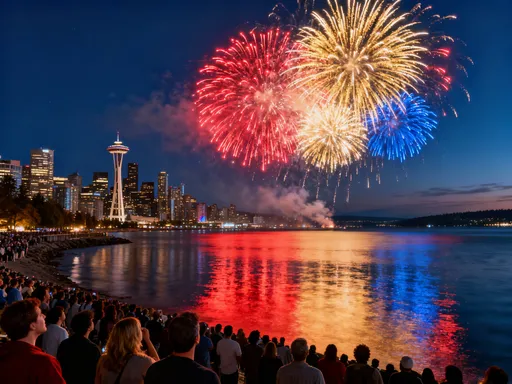
No visit to Vancouver during summer is complete without experiencing the Celebration of Light, an internationally acclaimed fireworks competition held over English Bay. Lasting three nights in late July or early August, the event draws over 300,000 people to the waterfront each night. Countries like Canada, the United States, and Japan take turns launching choreographed pyrotechnic displays synchronized to music broadcast on local radio stations. The best viewing spots include Sunset Beach, Jericho Beach for a quieter vibe, and Granville Island for elevated angles across the water.
Equally iconic is the Vancouver International Jazz Festival, running for 17 days each June and July. Organized by Coastal Jazz & Blues Society, it transforms stages across the city—from outdoor plazas in downtown to intimate clubs in Gastown. Headliners have included legends like Herbie Hancock and Diana Krall, but the festival’s charm lies in its accessibility. Many performances are free, especially those at the main stage in David Lam Park, where families spread blankets and enjoy world-class music against a backdrop of mountains and sea.
For lovers of grassroots music and coastal folk traditions, the Vancouver Folk Music Festival at Jericho Beach Park offers an immersive weekend every July. With four stages nestled among tall pines and open meadows, the festival blends global sounds—from West African kora players to Appalachian fiddlers—with strong representation of Canadian singer-songwriters. Attendees often arrive early to claim picnic spots, and the atmosphere leans relaxed and inclusive. Children dance barefoot near the main stage, artisans sell handmade goods, and food vendors highlight local farms and sustainable practices.
Another standout is the PuSh International Performing Arts Festival, held each January and February. Unlike traditional music or food festivals, PuSh focuses on experimental theater, dance, and multimedia installations. Performances take place in unconventional venues—from abandoned warehouses to small black-box theaters—offering a cutting-edge artistic experience. While some shows require tickets well in advance, others feature free public installations in places like the Vancouver Art Gallery plaza, making avant-garde art surprisingly approachable.
Off-the-Beaten-Path Events for Authentic Vibes
Beyond the marquee festivals, Vancouver’s soul reveals itself in smaller, neighborhood-based celebrations. These gatherings may not make international headlines, but they offer deeper connections to local life. One such gem is the Commercial Drive Car Free Day, held each June. When the street closes to vehicles, it becomes a pedestrian playground filled with live bands, yoga sessions, bike parades, and pop-up markets. The vibe is eclectic and proudly countercultural, reflecting the Drive’s long-standing reputation as a hub for activists, artists, and independent thinkers.
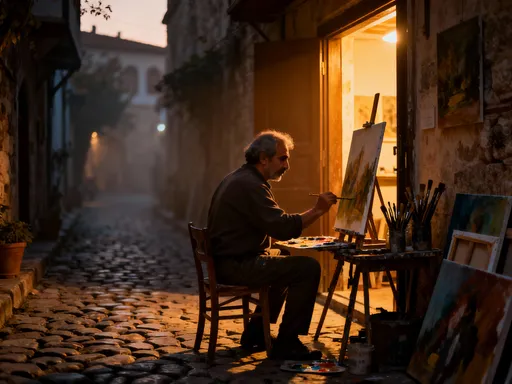
Similarly, the Eastside Culture Crawl is a must for art lovers. Taking place over four days in November, this self-guided tour opens the doors of over 300 studios in the Main Street and Mount Pleasant area. Visitors can watch potters at their wheels, chat with painters in converted industrial lofts, and purchase original works directly from creators. The event fosters intimacy between artist and audience, breaking down the barriers often found in formal galleries. Many stops offer refreshments, turning the crawl into a moving street party with creativity at its core.
For those interested in cultural heritage, Heritage Vancouver organizes guided walking tours during Heritage Week in February. These free events explore historic districts like Shaughnessy, Gastown, and Chinatown, led by knowledgeable volunteers who share stories of architecture, immigration, and urban change. It’s a chance to slow down, listen, and appreciate how Vancouver’s past shapes its present. Some tours focus on hidden courtyards or forgotten alleys, revealing layers of history beneath modern facades.
Seasonal night markets also provide authentic local flavor. The Richmond Night Market, open from spring through fall, is one of the largest in North America and beloved by locals. Though technically outside Vancouver proper, it’s easily reachable via Canada Line and worth the trip. Here, visitors sample bubble tea, stinky tofu, grilled scallops, and mango shaved ice while browsing stalls selling phone accessories, handmade jewelry, and novelty toys. The air hums with Cantonese pop songs and the sizzle of woks—sensory overload in the best possible way. Unlike tourist-heavy food halls, this market reflects everyday tastes and trends within the city’s large Asian communities.
Getting There and Getting Around: Smart Transit Tips
Navigating Vancouver during festival season requires strategy, especially since major events often coincide with road closures, increased congestion, and limited parking. The city’s public transit system, managed by TransLink, is not only reliable but designed to handle large crowds during peak times. During the Celebration of Light, for example, SkyTrain extends service hours, and special shuttle buses run from central hubs like Waterfront Station directly to English Bay. Choosing transit over driving eliminates the stress of finding parking—often scarce and expensive near event zones.
The Expo and Canada Lines are particularly useful. The Canada Line connects downtown to Vancouver International Airport and Richmond, making it ideal for travelers attending the Richmond Night Market or flying in for a weekend festival. The Expo Line links Surrey to downtown via Commercial–Broadway and Granville stations, both of which are within walking distance of major events. During the Jazz Festival, TransLink often adds extra trains and buses on Friday and Saturday evenings to accommodate concertgoers.
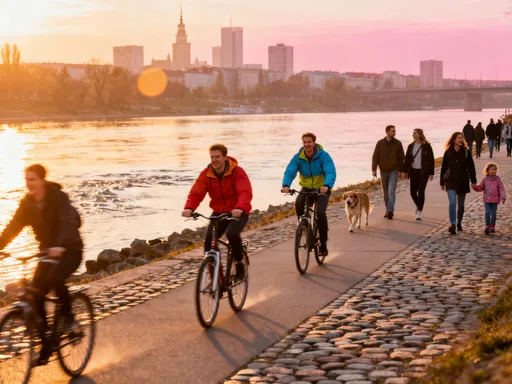
For those comfortable on two wheels, Vancouver’s expanding network of protected bike lanes makes cycling a scenic and efficient option. The Seawall route, which circles False Creek and extends to Stanley Park, is popular during summer festivals. Bike rentals are available through Mobi by Shaw Go, the city’s public bike-share program, with stations located throughout downtown, Yaletown, and Kitsilano. Many attendees pedal to the Folk Music Festival at Jericho Beach, locking their bikes at temporary racks near the entrance.
Walking is another excellent choice, especially for compact events like the Granville Island Summer Festival or the Downtown Vancouver Business Improvement Association’s street performances. Comfortable shoes are essential, as distances can add up quickly, particularly on rainy days when puddles form on older sidewalks. Travelers should check TransLink’s website or mobile app before heading out, as real-time updates on detours, delays, and special event schedules are posted regularly. Downloading the app ahead of time ensures access to trip planning tools even without data service.
Where to Stay: Neighborhoods That Put You in the Heart of the Action
Choosing the right neighborhood can transform a good festival trip into a great one. Granville Island, though not residential in the traditional sense, offers boutique accommodations with immediate access to arts, food, and waterfront views. The Sandman Hotel on Granville Island provides modern rooms and easy ferry access to downtown, making it ideal for those attending the Shakespeare Festival or weekend artisan markets. Its location also minimizes commute time, allowing guests to return for midday breaks or afternoon naps between events.
Yaletown, once an industrial district, has evolved into a stylish enclave known for its cobblestone streets, upscale restaurants, and proximity to science and culture venues. Hotels like the Opus or the Sutton Place offer refined comfort within walking distance of the Roundhouse Community Centre, a frequent host of festival-related exhibitions and performances. Families appreciate Yaletown’s safety and walkability, while couples enjoy its romantic lighting and evening ambiance. From here, it’s just a 15-minute stroll to David Lam Park for Jazz Festival concerts or a quick SkyTrain ride to other parts of the city.
Main Street and Mount Pleasant appeal to travelers seeking authenticity and local flavor. This neighborhood has retained much of its working-class charm while embracing creative renewal. Accommodations range from small B&Bs to vacation rentals listed on trusted platforms. Staying here places guests steps away from the Eastside Culture Crawl studios and within reach of independent coffee shops, vegan bakeries, and craft breweries. Though slightly removed from downtown, it’s well-connected by bus and SkyTrain, and feels less touristy—ideal for those wanting to experience Vancouver like a resident.
Booking early is crucial, especially during peak festival months. July and August see high demand due to the fireworks, jazz, and folk festivals. Even January and February attract visitors for PuSh and Chinese New Year events. Travelers who plan six to eight weeks ahead often secure better rates and preferred locations. For a more personal touch, homestays through reputable networks offer not only a room but local insights—from hidden park trails to the best time to visit a crowded food truck. These stays often include breakfast and foster genuine connection, enhancing the overall festival experience.
Eating & Drinking Like a Local During Festival Season
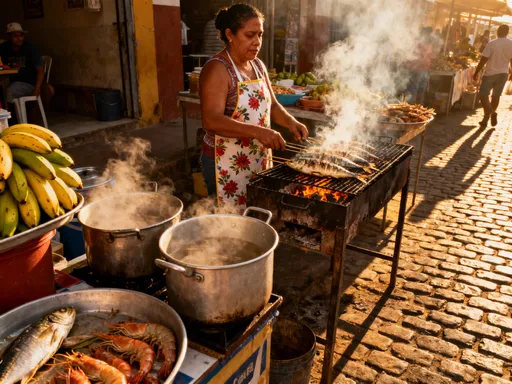
Festival food in Vancouver goes far beyond standard fairground fare. While corn dogs and cotton candy make appearances, the city’s culinary strength lies in its diversity and emphasis on fresh, local ingredients. Food trucks are a highlight, especially during summer events. At the Celebration of Light, clusters of trucks line the streets near English Bay, serving everything from Korean-Mexican fusion tacos to wild salmon burgers with dill aioli. Lines can stretch 20 minutes or more for popular vendors, so arriving early—or visiting toward the end of the night when crowds thin—is a smart tactic.
Hydration is just as important as eating, particularly on sunny days when thousands gather on asphalt-heavy waterfronts. Carrying a reusable water bottle is encouraged, and many festival sites now feature free water refill stations. Coconut water, fresh lemonade, and iced herbal teas are widely available, offering better alternatives to sugary sodas. Parents often pack snacks for children, knowing that hunger can escalate quickly in large, stimulating environments.
Dietary needs are increasingly well accommodated. Most major festivals list vendor menus online in advance, with clear labeling for vegetarian, vegan, gluten-free, and halal options. At the Vancouver International Jazz Festival, for instance, you’ll find stands offering jackfruit bao buns, chickpea falafel wraps, and dairy-free matcha soft serve. Organizers work with inclusive food providers to ensure no one feels excluded due to health or belief-based restrictions.
For those looking to step away from the festival grounds, nearby neighborhoods offer quieter dining escapes. After a long day at the Folk Music Festival, a meal at Café Medina on Main Street provides a cozy retreat with its famous shakshuka and rosemary fries. In Yaletown, Homer Street Cafe & Bar serves seasonal West Coast cuisine—think spot prawns in spring, chanterelle mushrooms in fall—using ingredients sourced within 200 kilometers. Even during busy festival weekends, reservations made a few days in advance can secure a table at these beloved institutions.
Sampling regional drinks is another way to immerse oneself in local culture. British Columbia produces award-winning wines from the Okanagan Valley, and many festivals feature licensed areas where guests can taste pinot gris, riesling, or sparkling rosé. Craft beer lovers will appreciate taps pouring local brews from breweries like Brassneck, Parallel 49, and Strange Fellows. Non-alcoholic options have also improved, with cold-pressed juices, house-made sodas, and kombucha on offer at most events.
Planning Your Trip: Timing, Tickets, and Avoiding Burnout
Success at Vancouver’s festivals begins long before arrival. The first step is consulting the official Vancouver Events Calendar, maintained by Tourism Vancouver. This comprehensive resource lists dates, venues, ticket requirements, and accessibility information for hundreds of annual events. Some festivals, like PuSh or select Jazz Festival headliners, require advance ticket purchases through platforms like Ticketmaster or the event’s own website. Others, particularly outdoor community events, are free and first-come, first-served.
Timing matters. Summer festivals cluster between June and September, creating a packed schedule that can overwhelm even seasoned travelers. To avoid fatigue, experts recommend focusing on two or three major events per trip, supplemented by one or two smaller local experiences. For example, pairing the Celebration of Light with the Jazz Festival and a visit to the Eastside Culture Crawl offers variety without overextension. Spacing out activities with downtime—such as a morning walk in Stanley Park or an afternoon at the Vancouver Art Gallery—helps maintain energy and enjoyment.
Weather preparation is non-negotiable. Despite summer sunshine, sudden rain showers are common. Packing a lightweight rain jacket, collapsible umbrella, and waterproof footwear ensures comfort during outdoor events. Layers are advisable, as temperatures can drop significantly after sunset, especially near the water. Festival organizers often post weather advisories and recommend attire on their websites, so checking ahead is wise.
Realistic daily itineraries prevent burnout. Starting too early or scheduling back-to-back events leads to exhaustion, particularly for families with young children or older adults. A balanced day might include a mid-morning market visit, a relaxed lunch, an early afternoon performance, and an evening fireworks viewing—with built-in flexibility. Mobile apps like Google Maps or Citymapper help estimate travel times between locations, while festival maps (usually available for download) show restroom locations, first aid stations, and quiet zones.
Finally, setting expectations is key. Festivals are dynamic by nature—acts may be delayed, lines may be long, and weather may shift plans. Embracing spontaneity, rather than rigid scheduling, often leads to the most memorable moments: a chance encounter with a street performer, an unexpected dish that becomes a favorite, or a quiet moment watching the sunset over English Bay as music drifts from a nearby stage.
Conclusion: How Festival Travel Connects You to the Soul of Vancouver
Attending a festival in Vancouver is about more than entertainment—it’s an invitation to participate in the city’s living culture. These events open doors to conversations, connections, and experiences that guidebooks can’t capture. Whether you’re swaying to jazz under summer stars, tasting dumplings at a night market, or watching fireworks reflect off the waves, you’re not just observing Vancouver—you’re becoming part of it.
The true magic lies in shared presence. Strangers smile at the same joke from a comedian on an outdoor stage. Parents lift children onto their shoulders for a better view. Volunteers hand out programs with genuine warmth. In these moments, the barriers of language, background, or status fade, replaced by a simple, joyful humanity.
Festivals remind us that cities are not just made of buildings and streets, but of people and rhythm. Vancouver’s pulse beats strongest when its communities gather—not in silence, but in song, color, and celebration. For the 30- to 55-year-old traveler, often balancing family, work, and personal renewal, festival season offers a rare chance to slow down, reconnect, and feel wonder again.
So come with curiosity. Come with comfortable shoes and an open heart. Let the music guide your steps, the flavors surprise your palate, and the spirit of the crowd lift your mood. Vancouver’s festivals aren’t just events—they’re invitations to belong, even if just for a night. And sometimes, that’s exactly the kind of joy we need most.