You Won’t Believe How Warsaw’s Public Spaces Tell Its Cultural Story
Walking through Warsaw feels like flipping through pages of a living history book—except the chapters are parks, squares, and street art. I didn’t expect to feel such a deep connection to a city’s soul just by wandering its open spaces. From bustling marketplaces to quiet riverbanks, each public area reflects Poland’s resilience, creativity, and everyday life. This is culture not in museums—but in motion. Let me show you how Warsaw turns sidewalks into stories.
The Heartbeat of the City: Public Squares as Cultural Stages
At the center of Warsaw’s urban rhythm lies its collection of public squares—vibrant, multifunctional spaces where history and modernity coexist. Castle Square, or Plac Zamkowy, stands as one of the most iconic examples, framed by the reconstructed Royal Castle and cobblestone pathways that echo centuries of footsteps. This is not merely a tourist stop; it is a living stage where national celebrations, open-air concerts, and political gatherings unfold. Every May 3rd, Constitution Day brings thousands into the square for patriotic speeches and musical tributes, reinforcing the space’s role as a vessel of collective memory.
What makes these squares so powerful is their ability to transform. During the day, Castle Square is filled with families, students, and visitors pausing for photos or coffee. By evening, the lighting changes, the atmosphere shifts, and impromptu performances—jazz musicians, folk dancers, or solo violinists—turn the plaza into an intimate theater. The architecture itself tells a story: the meticulous post-war reconstruction of the Royal Castle after its destruction in World War II is a testament to national endurance. Every stone laid here was a deliberate act of cultural reclamation.
Other plazas, like Theatre Square (Plac Teatralny), carry different but equally resonant narratives. Home to the grand Palace of Culture and Science—a gift from the Soviet Union in the 1950s—the square embodies a complex chapter in Warsaw’s history. While some see the building as a symbol of foreign imposition, others embrace it as part of the city’s layered identity. Public art installations and rotating exhibitions now line the plaza, inviting dialogue rather than division. These spaces do not erase the past; they reinterpret it, allowing citizens and visitors alike to engage with history in real time.
Urban planners recognize that public squares are more than open ground—they are psychological anchors. They provide orientation, both physical and emotional, in a city that has been rebuilt, reimagined, and reborn. When people gather in these spaces, they are not just occupying land; they are reaffirming belonging. In Warsaw, where so much has been lost and recovered, that sense of continuity is essential. These squares, therefore, are not passive backdrops but active participants in the city’s cultural life.
Parks with Personality: Nature Meets National Identity
If squares are the city’s stages, then parks are its sanctuaries—spaces where Warsaw breathes, reflects, and celebrates. Łazienki Park, often called the “Royal Baths,” is perhaps the most beloved green space in the capital. Once a royal garden, it now welcomes locals and tourists with tree-lined avenues, serene lakes, and classical architecture nestled among blooming magnolias and ancient oaks. But beyond its beauty, Łazienki functions as a cultural archive. The park houses a statue of Frédéric Chopin, Poland’s most celebrated composer, who is honored every Sunday during summer with open-air piano concerts that draw hundreds to the lawn in front of the monument.
These Chopin recitals are more than musical events—they are acts of national pride. As notes from “Nocturne in E-flat Major” drift across the water, listeners sit on blankets, close their eyes, and connect not only with the music but with a shared heritage. The park becomes a place of quiet reverence, where art and nature merge to honor a figure who symbolizes Polish creativity and resilience. Such traditions are not performative; they are deeply rooted in the way Poles engage with their history through lived experience.
Another significant green space is Park Skaryszewski, located on the east bank of the Vistula River. Less ornate than Łazienki, it serves a more community-driven purpose. Families picnic under chestnut trees, children play on modern playgrounds, and seniors practice tai chi in open clearings. What makes this park unique is its integration of memorial elements—plaques commemorating resistance fighters, quiet corners dedicated to wartime remembrance—woven seamlessly into recreational areas. This blending of leisure and memory reflects a broader Polish value: the belief that honoring the past should not be confined to formal ceremonies but lived daily.
Seasonal traditions further enrich these green spaces. In spring, cherry blossoms in Łazienki spark festivals reminiscent of Japan’s hanami, while autumn brings mushroom-picking walks in the city’s forested edges—a nod to rural customs still cherished by urban dwellers. These parks are not just escapes from the city; they are extensions of it, where national identity is nurtured through shared rituals, quiet contemplation, and intergenerational connection. Warsaw’s commitment to maintaining and expanding its green areas underscores a cultural priority: the right to beauty, rest, and remembrance in everyday life.
Street Art & Urban Expression: Murals That Speak Truth
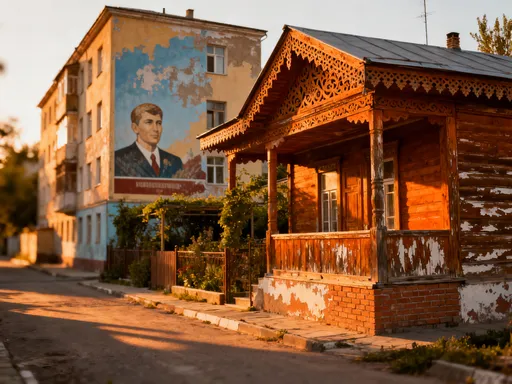
In recent decades, Warsaw’s streets have become galleries without walls, where murals transform blank facades into powerful storytellers. The Praga District, once an overlooked industrial zone on the east bank of the Vistula, has emerged as a hub for legal street art and grassroots creativity. Unlike graffiti born of rebellion, much of this work is commissioned, community-approved, and deeply intentional. One striking mural depicts a young girl releasing a dove from a cracked concrete wall—the image symbolizes hope emerging from hardship, a recurring theme in Warsaw’s narrative.
What sets Warsaw’s street art apart is its engagement with history and social reflection. Artists often draw from Poland’s complex 20th-century journey—communist rule, martial law, the Solidarity movement, and the transition to democracy. A large-scale piece in Praga portrays a row of anonymous workers, their faces partially obscured by masks, with the word “Pamiętaj” (“Remember”) written in bold letters above. This is not mere decoration; it is a call to collective memory, especially for younger generations who did not live through those times.
Mural festivals like “Warsaw Under Construction” have played a crucial role in legitimizing urban art as a form of public dialogue. Local and international artists collaborate with residents to create works that respond to specific neighborhoods, their histories, and their aspirations. One project in Wola District transformed a derelict factory wall into a vibrant tapestry of immigrant stories, celebrating the growing diversity of the city. These initiatives are not top-down; they involve community input, workshops, and storytelling sessions, ensuring that the art reflects authentic voices.
Street art in Warsaw also challenges the idea that culture belongs only in institutions. While museums preserve artifacts, murals live in the weather, change with time, and invite interaction. People take photos, discuss meanings, and even leave small offerings at certain pieces. This dynamic relationship between artwork and audience fosters a sense of ownership and pride. In a city that has rebuilt itself so many times, public art becomes a symbol of ongoing reinvention—proof that expression, like resilience, is a continuous process.
Markets as Meeting Points: From Commerce to Culture
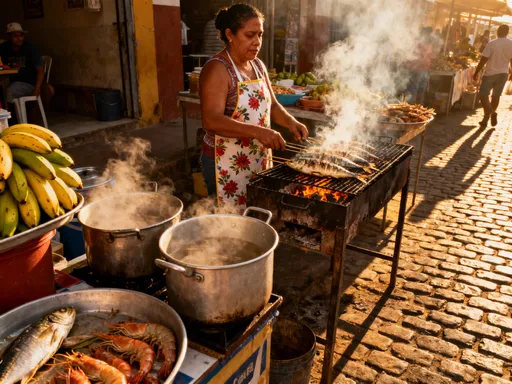
Among the most authentic cultural experiences in Warsaw are its markets—places where commerce, tradition, and human connection converge. Hala Mirowska, a historic market hall in the city center, has served the public since the 19th century. Under its iron-and-glass roof, vendors sell fresh produce, smoked cheeses, handmade pierogi, and regional honeys. The air hums with conversation, the clatter of dishes, and the rich scent of sizzling kiełbasa. This is not a curated food court but a living ecosystem where generations meet over shared meals.
What makes Hala Mirowska special is its continuity. Grandmothers bargain with stall owners they’ve known for decades, while young professionals grab quick lunches between meetings. The market operates as both a practical resource and a social institution. It preserves culinary traditions—like the art of pickling or fermenting—that might otherwise fade in modern life. Seasonal shifts bring new offerings: wild mushrooms in autumn, fresh strawberries in early summer, and Christmas specialties like poppy seed cake and spiced wine in December.
Weekend flea markets, such as the one at Plac Zbawiciela, offer a different kind of cultural exchange. Here, vintage clothing, Soviet-era memorabilia, hand-knit scarves, and secondhand books create a tactile journey through time. Bargaining is expected, but so is conversation. A vendor might tell you about the origin of a 1970s record player or explain how a traditional folk embroidery pattern represents a specific region of Poland. These interactions turn shopping into storytelling, and objects into heirlooms.
Markets also reflect Warsaw’s evolving identity. In recent years, eco-conscious stalls have appeared, offering organic produce, reusable containers, and plant-based alternatives. Pop-up food stands introduce fusion dishes—like pierogi filled with Korean kimchi or beetroot-infused dumplings—blending Polish roots with global influences. These innovations show that tradition is not static; it grows through encounter. For visitors, spending time in these markets offers more than souvenirs—it offers insight into how Poles live, eat, and relate to one another in shared spaces.
Riverbanks Reimagined: The Vistula as a Social Spine
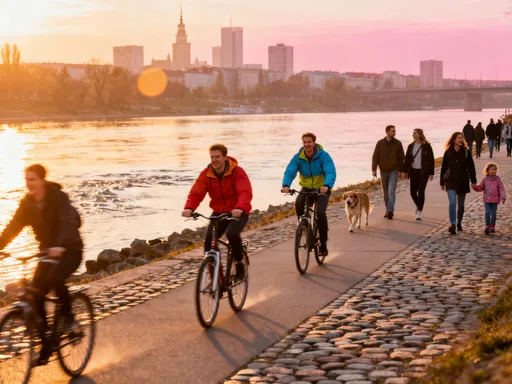
Once seen as a boundary, the Vistula River is now one of Warsaw’s most dynamic public corridors. Recent urban projects have transformed its banks into a continuous network of walking paths, cycling lanes, and green zones that stretch for kilometers. The Vistula Escarpment, in particular, has been revitalized with stairs, lighting, and viewing platforms, making it accessible and inviting. Locals jog at dawn, couples stroll at sunset, and groups gather for picnics on summer evenings. What was once an underused edge has become a central artery of city life.
This transformation reflects a broader shift in how Warsaw values public space. Investments in infrastructure—such as bike rentals, clean restrooms, and seasonal kiosks—signal a commitment to accessibility and comfort. The riverfront now hosts events like open-air film screenings, yoga classes, and riverside concerts, drawing diverse crowds throughout the year. In winter, temporary ice rinks and heated huts create cozy gathering spots, proving that public life need not pause with the seasons.
The Vistula also serves as a natural connector between neighborhoods. A bike ride from Powiśle to Praga takes you through contrasting landscapes—modern apartments, historic tenements, wild meadows—yet the continuous path creates a sense of unity. This physical linkage fosters social cohesion, allowing residents from different parts of the city to share space and experiences. For tourists, the river offers a unique perspective: a ground-level view of Warsaw’s skyline, including the Palace of Culture and the modern Złote Tarasy complex, all framed by water and sky.
Importantly, this development has balanced progress with preservation. Efforts have been made to protect native vegetation, limit construction near floodplains, and maintain areas of wild nature within the city. Birdwatchers spot kingfishers along quiet stretches, and families observe ducks with their ducklings in spring. The river’s dual role—as both a recreational space and an ecological habitat—demonstrates Warsaw’s growing understanding that urban well-being depends on harmony between people and nature.
Design That Connects: How Urban Planning Shapes Culture
Behind every successful public space in Warsaw is a thoughtful design philosophy—one that prioritizes accessibility, inclusivity, and human comfort. Urban planners have increasingly adopted a people-first approach, recognizing that the details matter. Benches are placed in clusters to encourage conversation, not just solitary sitting. Lighting is warm and directional, ensuring safety without glare. Signage is clear, multilingual, and often includes tactile elements for visually impaired users. These choices may seem minor, but together they create environments where people feel welcome to linger, interact, and belong.
One example is the redesign of Nowy Świat, a historic avenue that connects the Old Town to the city center. Once dominated by traffic, it has been partially pedestrianized, with widened sidewalks, tree planters, and seasonal seating. Cafés spill onto terraces, street performers find space to perform, and families stroll without fear of cars. The change has not only improved safety but also boosted local commerce and social vitality. Similar interventions have taken place in smaller neighborhoods, proving that good design is scalable and inclusive.
Another key principle is aesthetic coherence. While Warsaw embraces modern architecture, new developments in public areas often reference traditional materials—like brick, stone, and copper—to maintain visual harmony with historic surroundings. Public art is integrated purposefully, not as afterthoughts but as integral parts of the landscape. Even utility elements—like trash bins and bike racks—are designed with care, reflecting a belief that beauty should be democratic, available to all in everyday life.
Perhaps most importantly, these spaces are designed to be flexible. Movable furniture, retractable barriers, and multi-use plazas allow for adaptation—whether for a holiday market, a protest, or a children’s festival. This responsiveness ensures that public spaces remain relevant and alive. In a city shaped by change, the ability to evolve is not just practical; it is cultural. Warsaw’s urban design, therefore, does more than organize space—it shapes behavior, fosters connection, and quietly teaches the values of respect, inclusion, and shared stewardship.
Beyond Tourism: Living Like a Local in Shared Spaces
For travelers seeking a deeper connection with Warsaw, the key is to move beyond landmarks and immerse in the rhythm of daily life. The best moments often happen unplanned: sharing a bench with an elderly man reading poetry in Łazienki, joining a spontaneous dance at a street festival, or asking a vendor at Hala Mirowska to recommend their favorite dish. These interactions, small as they may seem, offer genuine insight into the city’s spirit.
Timing matters. Visit markets early in the morning to see locals shopping with reusable bags and exchanging neighborhood news. Attend a free outdoor concert in the summer, when parks come alive with music and laughter. Walk the Vistula promenade on a Sunday afternoon, when families bike, play frisbee, or simply sit together in silence. These are not performances for tourists; they are the fabric of Warsaw’s social life.
Respectful observation is equally important. Poles value politeness and personal space; a simple “dziękuję” (thank you) or “proszę” (please) goes a long way. Avoid loud behavior in quiet parks or residential areas. When photographing people or street art, ask first when possible. The goal is not to stand out but to blend in—to become, however briefly, a participant rather than a spectator.
For those looking to go deeper, consider joining a community event or workshop. Many cultural centers offer short courses in Polish cooking, folk dancing, or language basics, often held in public spaces. These experiences foster mutual understanding and create lasting memories. The truth is, you don’t need a guidebook to understand Warsaw. You need only to walk slowly, pay attention, and allow the city’s public spaces to tell their stories in real time.
Warsaw’s public spaces do more than fill maps—they carry memory, inspire connection, and evolve with the people who use them. They are not static monuments but living conversations between past and present, individual and community, local and global. True cultural travel means stepping off curated paths and into the unscripted life of plazas, parks, and promenades. In Warsaw, every sidewalk, every mural, every shared bench invites you not just to see the city, but to join its story. And in that invitation lies the heart of authentic experience.