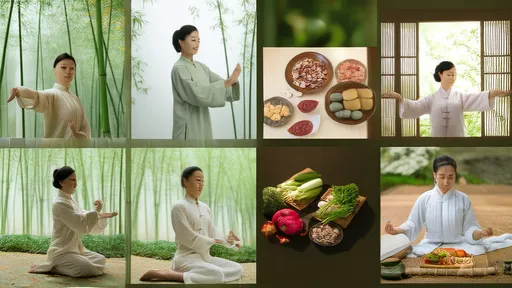
Why My Body Changed When I Started Living by TCM Rhythms
For years, I chased quick fixes—energy drinks, crash diets, intense workouts—only to feel more drained. Then I tried tuning into my body the way traditional Chinese medicine teaches: slow, steady, and in sync with nature’s rhythms. No magic, just balance. What I experienced wasn’t instant, but real. Energy rose naturally, sleep deepened, and my mind cleared. This isn’t about curing illness—it’s about enhancing health from the inside out. Here’s how TCM principles quietly transformed my daily life.
The Burnout That Led Me to TCM
For over a decade, I lived by the rhythm of urgency. Mornings began with coffee and a packed to-do list. Lunch was often skipped or eaten quickly between meetings. Evenings were spent managing family schedules, followed by late-night screen time to reclaim a few moments of personal space. I prided myself on being productive, but beneath the surface, exhaustion was building. By my mid-40s, the fatigue became constant. I felt emotionally flat, physically sluggish, and mentally foggy. Weekends offered no real recovery. I tried everything—protein shakes, high-intensity interval training, even intermittent fasting—but each solution seemed to drain me further.
It wasn’t until a routine check-up revealed borderline blood pressure and irregular sleep patterns that my doctor gently suggested I look beyond symptom management. She didn’t dismiss Western medicine, but she acknowledged that some forms of fatigue don’t show up on lab tests. That’s when I first heard about traditional Chinese medicine (TCM) as a complementary approach. Skeptical but desperate, I attended a wellness talk where a licensed TCM practitioner described the body not as a machine to be pushed, but as a garden to be nurtured. The idea resonated deeply. I realized I had been fighting my body instead of listening to it. That moment marked the beginning of a shift—not in my fitness level, but in my philosophy of health.
What drew me to TCM wasn’t a promise of cure, but its emphasis on balance. Unlike the Western model that often targets isolated symptoms, TCM views the body as an interconnected system. Fatigue wasn’t just low energy—it could be a sign of depleted Qi, poor digestion, or disrupted sleep rhythms. Instead of asking, “What’s wrong?” TCM asks, “What’s out of balance?” This subtle but powerful shift in perspective allowed me to stop blaming myself for being tired and start exploring what my body was trying to communicate.
What Is TCM Adjustment—And Why It’s Different
Traditional Chinese medicine has been practiced for thousands of years, grounded in the belief that health arises from harmony between the body, mind, and environment. At its core is the concept of Qi (pronounced “chee”), the vital energy that flows through the body along pathways called meridians. When Qi moves freely and is balanced with Yin and Yang, the body functions optimally. When it becomes blocked, deficient, or excessive, discomfort or imbalance follows. TCM adjustment doesn’t aim to attack disease but to restore this natural flow and equilibrium.
Unlike conventional medicine, which often focuses on treating specific conditions after they appear, TCM emphasizes prevention and regulation. Think of it like maintaining a car: Western medicine may repair the engine when it breaks down, while TCM regularly checks the oil, tires, and battery to prevent breakdowns before they happen. This proactive approach is especially valuable for women in their 30s to 50s, who often juggle multiple roles and face cumulative stress that wears down resilience over time.
TCM adjustment includes a range of practices—acupuncture, herbal formulas, dietary therapy, and lifestyle modifications—all tailored to the individual. A practitioner doesn’t treat “fatigue” generically but looks for the underlying pattern: is it due to spleen Qi deficiency? Liver Qi stagnation? Kidney Yin depletion? Each diagnosis leads to a different strategy. This personalized method is why two people with the same symptom might receive entirely different recommendations. The goal isn’t to eliminate a symptom quickly but to strengthen the body’s innate ability to regulate itself.
One of the most profound differences is TCM’s view of time. While modern life rewards speed, TCM honors slowness. Healing isn’t rushed. Changes unfold gradually, like the seasons shifting. This was hard for me to accept at first. I wanted fast results, but TCM taught me that sustainable health grows from consistency, not intensity. By aligning with natural cycles—waking with the sun, eating according to the season, resting when the body signals—I began to experience a deeper kind of wellness that no pill or workout could provide.
Qi, Blood, and Body Rhythms: The Basics Made Simple
To understand how TCM works, it helps to simplify its key concepts. Imagine your body as a flowing river. Qi is the current—the energy that moves everything forward. Blood is the water itself—nourishing tissues and organs. Yin represents the cool, moist, restorative aspects of the body, like nighttime and rest. Yang is the warm, active, energizing force, like daylight and movement. Health depends on the balance and smooth flow of these elements.
When Qi is strong and unobstructed, you feel alert and resilient. When it’s blocked—often due to stress, poor diet, or irregular routines—energy stalls. This stagnation can show up as irritability, bloating, or fatigue. Blood, in TCM, does more than carry oxygen; it anchors the mind and supports emotional stability. If blood is deficient, you might feel spaced out, forgetful, or anxious. Yin and Yang are complementary forces: too much Yang (overactivity) leads to burnout, while too much Yin (inactivity) leads to sluggishness. The aim is dynamic balance.
TCM also recognizes that the body follows daily rhythms, known as the Chinese body clock. Each organ system has a two-hour window when it’s most active. For example, the liver governs between 1 a.m. and 3 a.m.—a time for detoxification and emotional processing. If you consistently wake during these hours, TCM might interpret it as liver Qi stagnation, often linked to unexpressed frustration or stress. Similarly, the spleen and stomach are most active during mealtimes, especially between 9 a.m. and 11 a.m. and 7 a.m. to 9 a.m., respectively. Eating warm, cooked meals during these windows supports digestion and energy production.
These rhythms aren’t mystical—they reflect real physiological patterns. Cortisol rises in the morning (Yang energy), melatonin increases at night (Yin energy), and liver enzyme activity peaks during early morning hours. TCM simply provides a framework for working with these natural cycles instead of against them. By understanding when different systems are most active, you can time your activities—eating, resting, exercising—to support, not strain, your body.
How I Adjusted My Daily Routine (And What Shifted)
The first change I made was adjusting my wake-up time. I used to hit snooze until 7:30 or later, but TCM teaches that the large intestine is most active between 5 a.m. and 7 a.m.—a natural window for elimination and renewal. I began waking at 6:15, drinking a glass of warm water, and spending five minutes stretching. Within a week, my digestion improved. Bowel movements became regular, and I felt lighter in the mornings. This small shift signaled to my body that a new rhythm was beginning.
Next, I aligned my meals with organ rhythms. I started eating breakfast between 7 a.m. and 9 a.m., when stomach energy is strongest. Instead of cold cereal or toast, I switched to warm porridge, congee, or scrambled eggs with vegetables. These foods are easier to digest and provide steady energy. Lunch, eaten between 11 a.m. and 1 p.m., became the largest meal—coinciding with peak spleen and heart function. I noticed that eating heavily in the evening, once a habit, left me sluggish the next morning. By shifting calories earlier, my energy stayed more consistent throughout the day.
Evening routines changed too. I stopped eating after 7 p.m. and avoided intense exercise after 8 p.m., as both can overstimulate Yang energy when the body should be winding down. Instead, I took a 20-minute walk after dinner, which TCM associates with aiding spleen function and preventing dampness (a term for sluggish digestion and fluid retention). I also reduced screen time after 9 p.m. and aimed to be in bed by 10:30. This allowed me to enter deep rest before the liver’s detoxification phase began at 11 p.m.
The effects accumulated slowly but clearly. After three months, I no longer needed an afternoon nap. My sleep became deeper and more restorative. I felt calmer, less reactive to daily stressors. What surprised me most was the emotional shift—I felt more patient with my family and more present in my work. These weren’t dramatic changes, but they were lasting. I realized that health isn’t just physical; it’s the quiet stability that allows you to show up fully in life.
Food as Adjustment: Eating With the Seasons
One of the most empowering aspects of TCM is its approach to food—not as a tool for weight loss, but as medicine for balance. I had spent years on restrictive diets, counting calories and eliminating food groups, only to feel deprived and bloated. TCM taught me to see food as nourishment tailored to the season and my body’s needs.
In winter, when Yang energy is stored inward for warmth, TCM recommends warming, cooked foods: soups, stews, root vegetables, and spices like ginger and cinnamon. These foods support kidney and spleen function, helping the body conserve energy. I started making hearty bone broths and slow-cooked lentil stews. My circulation improved, and I felt less cold in the mornings. In summer, when external heat is high, cooling foods like cucumber, watermelon, and mung beans help prevent overheating. I added more raw vegetables and light grains like millet to my meals, which kept me hydrated and reduced bloating.
TCM also emphasizes the importance of cooking methods. Raw and cold foods, while nutritious, are harder to digest and can weaken spleen Qi over time—especially in cooler months. By switching to more steamed, sautéed, or souped meals, my digestion improved significantly. I also reduced iced drinks, which TCM views as shocking to the digestive system. Instead, I drank room-temperature water or herbal teas like chrysanthemum in summer and ginger tea in winter.
One of the most noticeable benefits was the reduction in bloating and fatigue after meals. I used to feel heavy and drowsy after lunch, but with seasonal, warm meals eaten at consistent times, my energy stayed stable. I no longer craved sugar in the afternoon. This wasn’t because I was restricting myself, but because my body was getting the right kind of fuel at the right time. Food became less of a battleground and more of a source of comfort and strength.
Movement, Stillness, and the Art of Balance
Exercise used to mean pushing myself to the limit—running on the treadmill, lifting heavy weights, chasing endorphins. But over time, I noticed that intense workouts often left me more tired, not less. TCM helped me understand why: excessive Yang activity without enough Yin recovery depletes Qi and damages the body’s reserves. This is especially true for women over 40, whose Qi and Yin naturally begin to decline.
I began incorporating gentle, Qi-supporting practices instead. Tai chi, with its slow, flowing movements, became a morning ritual. It didn’t make me sweat, but it improved my balance, coordination, and mental clarity. Qi gong, another low-impact practice, helped me focus on breath and energy flow. Even mindful walking—moving slowly with attention to each step—became a form of moving meditation. These practices don’t burn calories rapidly, but they regulate the nervous system, reduce stress hormones, and enhance circulation of Qi and blood.
Equally important was learning to value stillness. In a culture that glorifies busyness, resting can feel like failure. But TCM teaches that rest is not passive—it’s an active part of healing. The hours between 11 p.m. and 1 a.m. are governed by the gallbladder and liver, crucial for decision-making and detoxification. If you’re still awake or stressed during this time, the body can’t complete its nightly reset. I committed to being in bed by 10:30 and created a calming pre-sleep routine: dimming lights, reading a book, and practicing deep breathing.
Over time, I noticed that I needed less sleep to feel rested. My mood stabilized, and I handled daily challenges with more grace. I also became more attuned to my body’s signals—when to push and when to pause. This balance between movement and stillness didn’t make me weaker; it made me more resilient. I stopped seeing rest as a luxury and started treating it as essential maintenance.
When to Seek a Practitioner—And What to Expect
While many TCM principles can be applied at home, there are times when professional guidance is necessary. Self-care is powerful, but it has limits. If you’ve made consistent lifestyle changes and still experience persistent fatigue, digestive issues, sleep disturbances, or emotional imbalances, it may be time to consult a licensed TCM practitioner. These professionals are trained in diagnosis methods like pulse reading, tongue analysis, and detailed health history assessment to identify underlying patterns.
During my first consultation, the practitioner spent over an hour asking about my sleep, digestion, emotions, and menstrual cycle. She checked my pulse at three positions on each wrist, assessing different organ systems, and examined my tongue for color, coating, and shape—clues to internal balance. Based on this, she diagnosed mild spleen Qi deficiency and liver Qi stagnation, common in women with high stress and irregular routines. She recommended weekly acupuncture sessions and a customized herbal formula to support digestion and emotional flow.
Acupuncture was less intimidating than I expected. Thin, sterile needles were placed at specific points to regulate Qi flow. I felt a slight tingling or warmth, but no pain. After the first session, I slept more deeply. Over several weeks, my digestion improved, and I felt more emotionally grounded. The herbal formula, taken as a tea, had a bitter taste but gradually reduced bloating and mental fog.
It’s important to seek care from qualified practitioners—licensed in acupuncture and herbal medicine, preferably certified by a national board. TCM should complement, not replace, conventional care. Always inform your primary doctor about any herbal supplements, as some may interact with medications. The goal is integration: using the best of both worlds to support long-term health.
TCM adjustment isn’t about dramatic overhauls—it’s about listening deeper. By aligning with natural rhythms, I didn’t just feel better; I learned to live better. This quiet, steady path isn’t flashy, but it’s lasting. And that’s the kind of health worth building.